Media Freedom and the Plight of Journalists
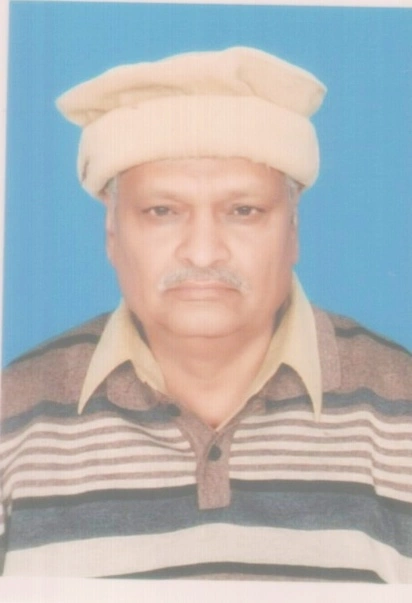
By Ehsan Ahmed Sehar
Background
Pakistan has long been recognized as one of the most challenging countries in the world for journalists. Since the year 2000, 168 journalists have lost their lives while performing their professional duties, most of them hailing from rural areas and small towns. Despite their sacrifices, Pakistan’s media landscape continues to be heavily urban-oriented, leaving rural reporters underrepresented, under-resourced, and vulnerable.
The international picture reflects these realities. In the 2025 World Press Freedom Index published by Reporters without Borders (RSF), Pakistan fell to 158 out of 180 countries, a sharp decline that underscores the growing threats to press freedom, independence, and safety of media practitioners.
While these challenges are not new, recent developments — particularly the misuse of laws such as the Prevention of Electronic Crimes Act (PECA) against women journalists — highlight how press freedom remains under systematic attack. The Rural Media Network Pakistan (RMNP) has documented these cases extensively, adding an urgent call for reforms to protect those who work on the frontlines of news reporting, especially outside major cities.
Recent Developments: Misuse of PECA and Harassment of Women Journalists
In a series of reports published in August 2025, RMNP documented the alarming misuse of PECA provisions against senior women journalists.
- PFUJ Condemnation
The Pakistan Federal Union of Journalists (PFUJ) strongly condemned the filing of fabricated PECA cases against leading women journalists, demanding their immediate dismissal. PFUJ’s stance, highlighted by RMNP, demonstrated that the issue is not only legal but also deeply tied to freedom of expression and gender rights. - Abuse of Power Exposed
Another RMNP report emphasized that false PECA cases against women journalists reveal how such laws are being manipulated to silence dissent and intimidate independent voices. These reports suggest a pattern of harassment rather than isolated incidents, where the machinery of the state is misused to curtail press freedom. - Senate Committee Intervention
The Senate Standing Committee on Human Rights questioned the rationale behind these cases and demanded a report from authorities, indicating growing concern within parliamentary circles. RMNP underlined that this scrutiny is welcome but must be followed by concrete reforms to prevent the law’s abuse.
Taken together, these reports illustrate how press freedom violations are becoming increasingly institutionalized, with women journalists facing not only gender-based harassment online and offline but also legal persecution that jeopardizes their safety and careers.
Rural–Urban Divide: The Forgotten Journalists
While urban journalists dominate television screens, newspapers, and digital platforms, the majority of slain journalists in Pakistan since 2000 belonged to rural districts and small towns. This divide has created a dangerous imbalance in media representation:
- High Risk, Low Visibility: Rural journalists often report from conflict zones, insurgency-hit areas, and districts where organized crime, feudal structures, and militant groups hold sway. Yet their stories rarely receive national visibility.
- Lack of Safety Mechanisms: Unlike their urban counterparts, rural journalists have little to no access to safety training, protective equipment, or rapid response networks. In most cases of killings, perpetrators remain unpunished, reflecting a culture of impunity.
- Economic Precarity: Many rural reporters work for local stringer positions, often unpaid or underpaid, making them economically dependent and more vulnerable to pressures from political, tribal, or commercial actors.
- Isolation: Without strong professional networks, rural journalists often stand alone when attacked or harassed, with families left without support or compensation after tragedies.
This rural neglect reflects the broader urban bias in Pakistan’s media industry, where the narratives of big cities dominate, while the realities of villages and towns — where most of the country’s population lives — remain marginal.
Structural Challenges Facing Pakistan’s Media
Beyond rural–urban divides, Pakistan’s journalism sector faces systemic challenges that undermine freedom and viability:
- Legal Threats and Censorship
The misuse of PECA, defamation laws, and sedition provisions continues to intimidate journalists. Investigative reporters often face harassment or legal cases if their work touches sensitive political or institutional issues. - Economic Pressure
Declining revenues in print, layoffs in broadcast media, and the absence of financial support for local outlets have created an environment where journalists compromise independence for survival. - Digital Harassment
Women journalists in particular face coordinated online abuse, often amplified by political actors or troll armies. This harassment spills into physical threats, forcing many to self-censor or quit the profession altogether. - Culture of Impunity
Out of 168 journalists killed since 2000, only a handful of cases have seen convictions. The absence of justice emboldens perpetrators and deepens fear among working journalists.
International Standards and Regional Comparisons
Compared to neighboring South Asian countries, Pakistan’s situation remains alarming. While press freedom is under stress across the region, Pakistan’s 158/180 RSF ranking in 2025 places it near the bottom, below countries with similar political and security challenges.
International standards — from UNESCO’s Journalist Safety Indicators to the UN Plan of Action on the Safety of Journalists — emphasize three key responsibilities of states:
- Prevention of attacks,
- Protection of journalists at risk,
- Prosecution of perpetrators.
Pakistan continues to fall short on all three fronts, with rural journalists bearing the brunt of these failures.
Policy Recommendations
Based on recent developments and RMNP’s documentation, the following steps are critical:
- Immediate Dismissal of False PECA Cases
Authorities should heed PFUJ’s demand and dismiss all fabricated cases against women journalists, ensuring accountability for those who abuse the law. - Special Protections for Rural Journalists
Given that the majority of journalist killings occur in rural districts, a targeted protection mechanism — including insurance schemes, safety training, and legal aid — should be introduced for rural reporters. - Independent Media Commission
A multi-stakeholder commission comprising journalists’ unions, civil society, and state representatives should oversee press freedom violations and recommend reforms. - Ending Impunity
Fast-tracking investigations into the killings of journalists and ensuring convictions will send a strong signal against violence. - Support for Women Journalists
Dedicated policies to combat online harassment and workplace discrimination should be implemented to protect women in media.
Conclusion
Pakistan’s declining RSF ranking, recent misuse of PECA against women journalists, and the ongoing neglect of rural reporters all point to a press freedom crisis that demands urgent attention.
The 168 journalists who have lost their lives since 2000 are not mere statistics — they represent silenced voices, broken families, and communities left uninformed. That the majority of these fallen journalists came from rural and small-town Pakistan underscores the stark inequities in how the state and media industry treat their own.
The path forward requires more than statements of concern. It requires structural reforms, political will, and recognition of the vital role rural journalists play in keeping democracy alive. Without such measures, Pakistan risks further silencing its most courageous voices — those who continue to report from the margins, often at the cost of their lives.
Source: RMNP